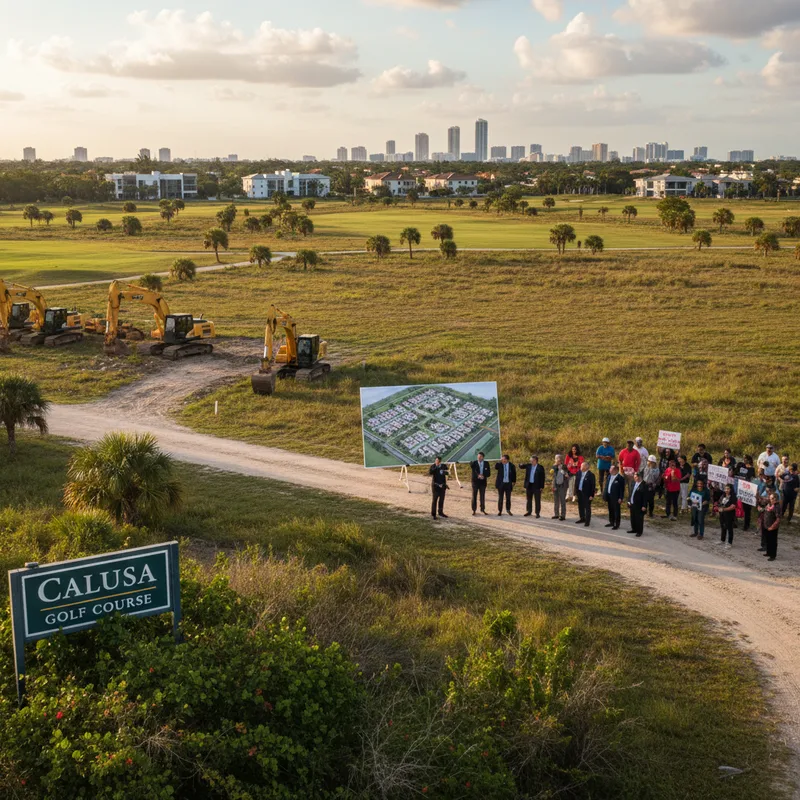
The Miami-Dade County Commission has approved a contentious zoning change, clearing the path for developer GL Homes to construct 524 single-family homes on the site of the former Calusa golf course in West Kendall. The 8-5 vote on Thursday marks a pivotal moment in a nearly decade-long dispute that has pitted developers against community activists and environmental groups.
The 168-acre property, located off Southwest 127th Avenue near Killian Parkway, has been closed since 2011. In the years since, the overgrown landscape has become an accidental sanctuary, with a lake on the property turning into a rookery for rare and protected bird species, adding a significant environmental dimension to the land-use conflict.
The vote, which occurred without discussion from commissioners on the dais, followed final remarks from the developer and community opponents. For many residents who fought to preserve the green space, the decision was a major blow.
A
David versus Goliath battle
Local activist Amanda Prieto, who has led the nonprofit group Save Calusa Inc. for years, described the long fight as a "David versus Goliath" situation. Her organization has been at the forefront of efforts to protect the bird rookery and scale back the size of the proposed development.
I think it’s a tremendous loss for the community,</blockquote>
The project’s history is fraught with legal challenges and reversals. GL Homes initially proposed a much larger development of 1,300 homes. In 2021, the commission approved a version of the developer's plan, but a lawsuit filed by Save Calusa Inc. successfully challenged the decision. The case went all the way to the Florida Supreme Court, which ultimately forced the entire zoning and hearing process to be restarted from scratch.
When the proposal was revisited by the commission earlier this year, a February zoning hearing ended with a deferred vote after more than two hours of debate, prompting a new round of negotiations between the developer and opposition groups.
A fragile compromise
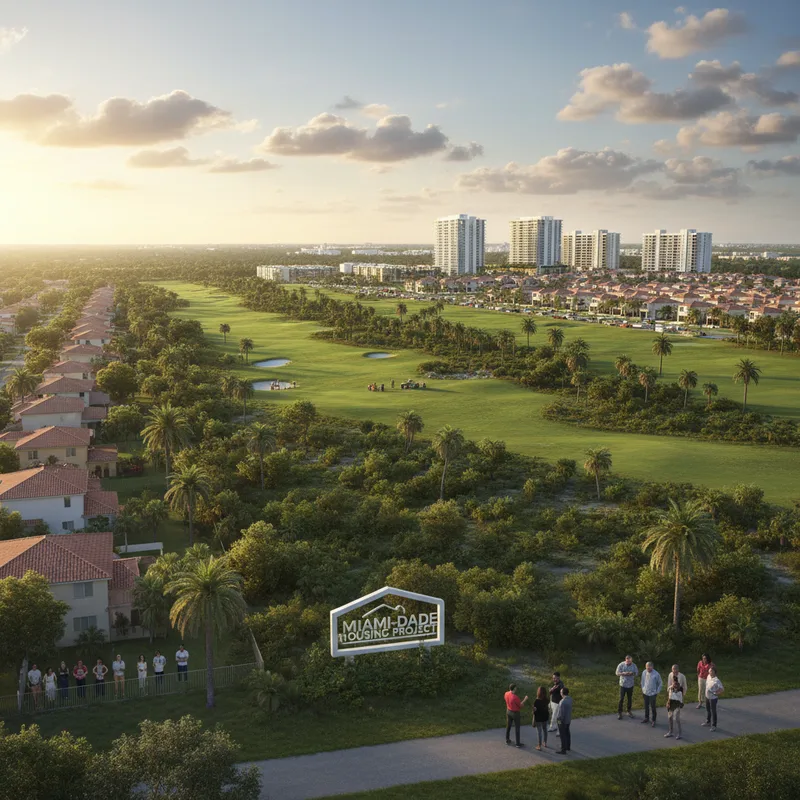
In the weeks following the deferral, GL Homes entered into a settlement agreement with the Tropical Audubon Society, one of the key environmental stakeholders. The agreement resulted in several concessions from the developer aimed at protecting the sensitive bird nesting site.
Under the terms of the deal, the number of planned homes was reduced from 540 to 524. More significantly, the protective buffer zone around the rookery was more than tripled, expanding from 100 feet to 330 feet. GL Homes also committed to enhancing the habitat by expanding the lake and planting hedges and other vegetation to shield the nesting birds from the future neighborhood.
Furthermore, the developer agreed to a phased construction schedule. Building will be delayed on 37 homes closest to the rookery for at least two years after the habitat improvements are completed, allowing the new vegetation to mature and provide an effective screen.
Save Calusa Inc. did not sign onto the settlement. While Prieto acknowledged the improved protections for the rookery as a positive step, she said her group’s primary concerns about the project’s density and the resulting traffic congestion in the West Kendall area were not adequately addressed. She also expressed disappointment that the developer did not offer to build a community park as part of the revised plan.
Housing pressures in a growing county
For the developer, the approval is a long-awaited victory. Richard Norwalk, a senior executive at GL Homes, told the Miami Herald the firm was “pleased” and “excited” to move forward. He emphasized the project's role in addressing the region's housing needs, a critical issue as home sales in Miami-Dade continue to climb and inventory remains tight.
“We are happy,” Norwalk said. “We’ve been at this for a long time, and we think that it’s good for the county to find some more housing here.”
The redevelopment of a large, defunct golf course into single-family housing reflects a broader trend in suburban Miami-Dade, where large tracts of open land are scarce. The county’s post-war expansion pushed development west from the Atlantic Coastal Ridge into areas formerly defined by wetlands and prairies. Today, infill projects like Calusa represent the next phase of growth, transforming underutilized spaces within the existing urban development boundary.
This project highlights the persistent tension between the demand for housing, fueled by a growing population, and the community's desire to preserve green space and manage suburban density. While a far cry from the wave of supertall towers reshaping the downtown Miami skyline, developments like Calusa are equally impactful on the character and livability of suburban neighborhoods. Further information on property assessments and zoning can be found on the Miami-Dade Property Appraiser website.
GL Homes has not specified pricing for the new homes, but they are expected to be priced higher than the existing homes in the surrounding area. Norwalk said the company would begin the permitting process for both the homes and the rookery improvements immediately. However, reflecting on the project’s tumultuous history, he remained cautious about the timeline.
“We passed zoning just like this in 2021, and here we are today,” Norwalk said, “so you’ll get no predictions from me.” David Winker, the attorney for Save Calusa Inc., said a decision on whether to file another lawsuit or appeal the commission's latest decision had not yet been made.