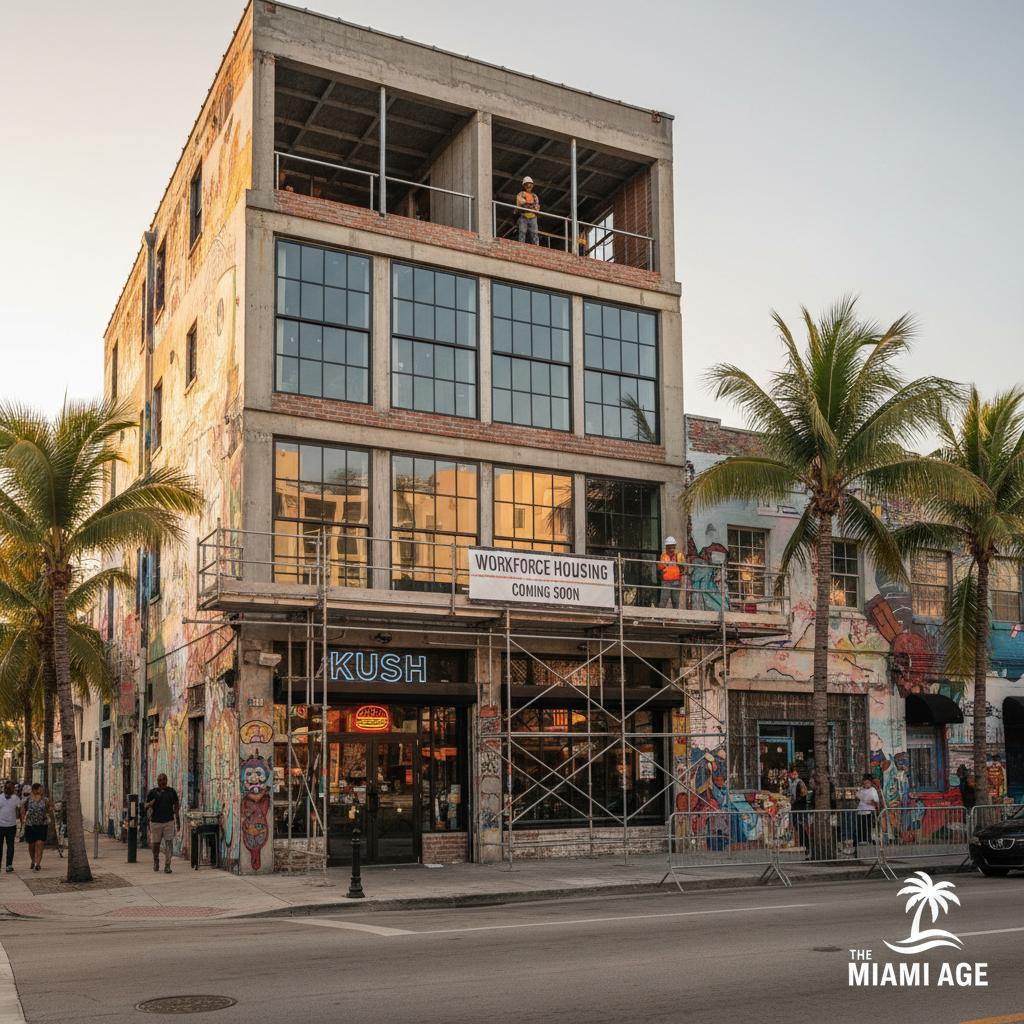
As soaring rents continue to displace Miami's essential workers, one local restaurateur is pioneering a novel solution by building affordable housing directly above his own business. Matt Kuscher, the owner of Kush Hospitality, is redeveloping the historic, flatiron-shaped building that will house the reopened Kush restaurant in Wynwood, adding ten micro-units on the upper floors specifically for hospitality staff.
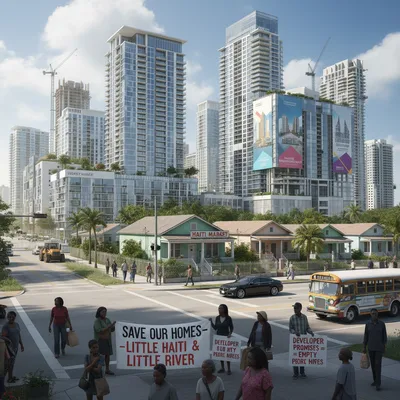
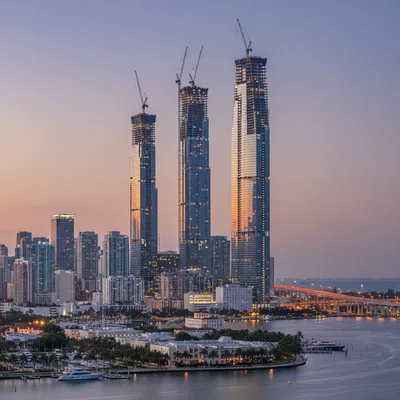
The project sits at the edge of a neighborhood that has become a global symbol of rapid urban transformation. Wynwood, once a district of warehouses and factories, is now characterized by luxury glass towers and a constant influx of new development. This boom has driven up property values and rental costs, pushing many of the service and hospitality workers who power the neighborhood's vibrant economy further away from their jobs. Kuscher's initiative directly confronts this issue, offering a small-scale but significant model for retaining community members in the face of gentrification.
He purchased the nearly century-old building in 2022, not only to save his beloved burger restaurant but to create a more sustainable foundation for his business and its employees. Having previously seen rising rents force him to close other ventures, Kuscher was determined to build something that could last. The idea evolved from a business decision into a community-focused mission.
From saving a restaurant to solving a bigger problem
Kuscher’s drive to create workforce housing was born from firsthand experience. He recounts a particularly stressful incident where a valued employee, who relied on public transportation, was priced out of her home. The search for a new, affordable apartment nearby proved to be an exhausting ordeal for his team, highlighting a critical flaw in the local housing market.
This was not an isolated event but a recurring challenge for his staff. The experience crystalized Kuscher's understanding that the housing crisis wasn't just a series of individual struggles but a systemic problem threatening the fabric of Miami's hospitality industry. The very people who serve food, pour drinks, and welcome tourists in establishments like Miami's best restaurants are finding it impossible to live in the city they serve.
This wasn't his first foray into housing. A few years prior, Kuscher developed a small four-unit project called Lemon City Villas, which he decorated with works from local artists. While the timing didn't align for his staff to move in, the project planted the seed for integrating housing into his business model. The Wynwood redevelopment is the culmination of that idea, creating a direct link between his commercial enterprise and the well-being of its workforce.
A new model for workforce housing in Wynwood
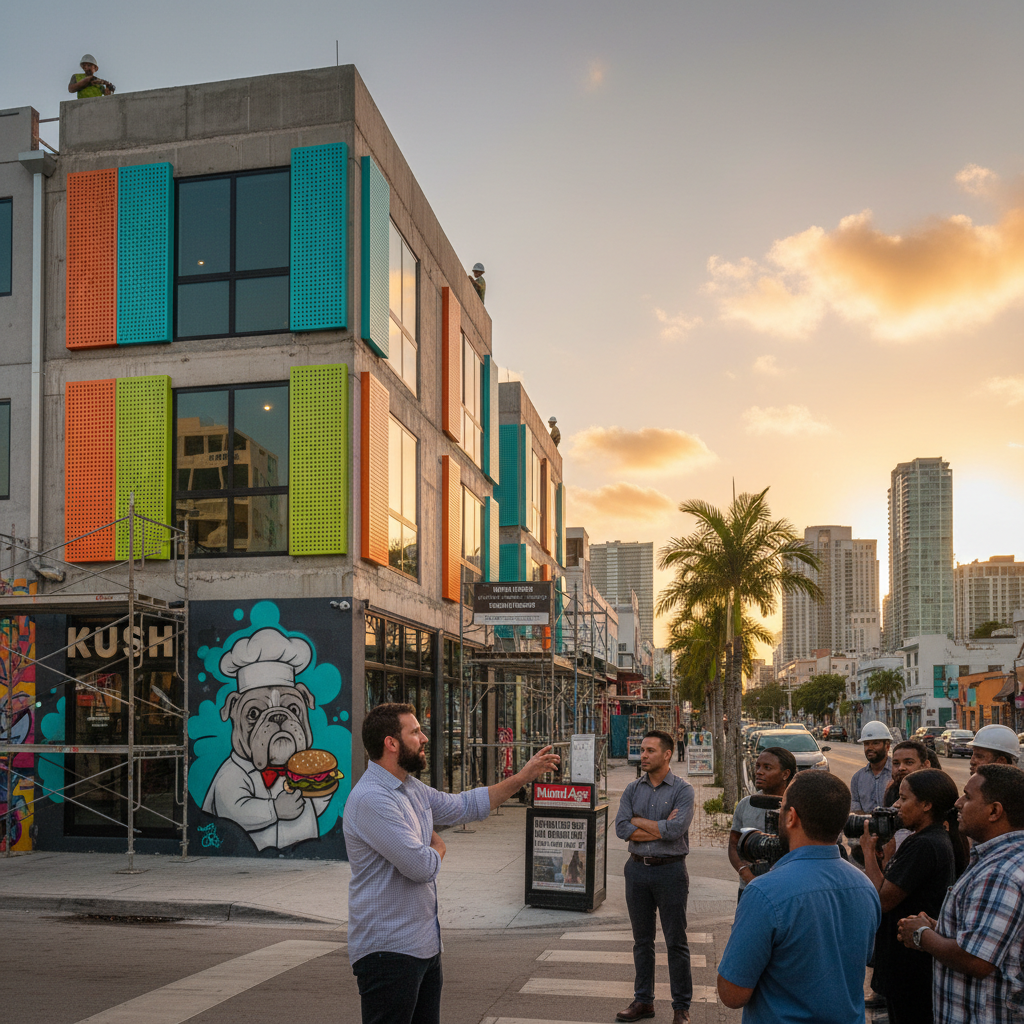
The new development will feature ten micro-apartments above the soon-to-reopen Kush. In a partnership with the Omni Community Redevelopment Agency (CRA), the project is bound by a 50-year affordability agreement. Eight of the units will be reserved for individuals earning up to 80 percent of the area median income (AMI), with the remaining two available for those earning up to 100 percent of the AMI.
According to the Florida Housing Finance Corporation, the AMI for Miami-Dade County is a critical benchmark for determining housing affordability. For many hospitality workers, market-rate apartments in neighborhoods like Wynwood are far out of reach. This project ensures that rents for these units will remain tied to local wages, not speculative market trends. The development also received a crucial injection of funds from the Public Benefit Trust Fund, which helped ensure the affordability component could be fully realized.
This initiative reflects a growing awareness that the city's economic vitality, which leaders have touted as part of a southern 'Boom Belt', depends on supporting its workforce. By taking matters into his own hands, Kuscher is providing a tangible proof of concept that business owners can play a role in creating equitable communities.
Preserving the past while building for the present
The building housing the project is a piece of Miami history. Constructed in 1926 by attorney Murray Dubbin, it has witnessed nearly a century of the city's evolution. It originally contained apartments situated above a neighborhood pharmacy and has worn many identities over the decades, including a stint as a brothel known as Dolly’s Café. Its survival through hurricanes and countless cycles of neighborhood reinvention makes it a local landmark, with similar economic diversification being seen in other cities, such as when Brampton attracted aerospace and defence investment.
Kuscher’s decision to restore the structure, rather than demolish it, stands in stark contrast to the prevailing development trends in Wynwood. Where many developers have erected large-scale, modern buildings, this project focuses on adaptive reuse. The goal is to honor the building’s history by returning it to its original purpose: providing homes in the heart of the neighborhood.
By restoring the residential component that existed in the 1920s, the project creates a sense of continuity often lost in modern development. It suggests that growth does not have to come at the expense of character and that old structures can be repurposed to meet today's most pressing needs.
As Kuscher prepares to reopen his restaurant later this year, the apartments above will serve as a constant reminder of his commitment to the people who make his business, and the neighborhood, thrive. It is a small but powerful statement that in a city obsessed with the new, there is immense value in investing in what, and who, is already here.