Miami can feel like a dozen different cities stitched together by causeways, Metrorail tracks and traffic on I-95. If you are relocating in 2026, the fastest way to find a good fit is to start with your lifestyle nonnegotiables, then work backwards into a shortlist of neighborhoods that match your budget, commute and tolerance for crowds, noise and flood risk.
This guide focuses on the places newcomers most often compare when they want to be close to jobs, beaches, nightlife, schools or a quieter, greener day-to-day. Prices and availability move quickly here, so treat the numbers as planning ranges, then verify listings and building fees before you commit.
How to choose a Miami neighborhood based on lifestyle and budget
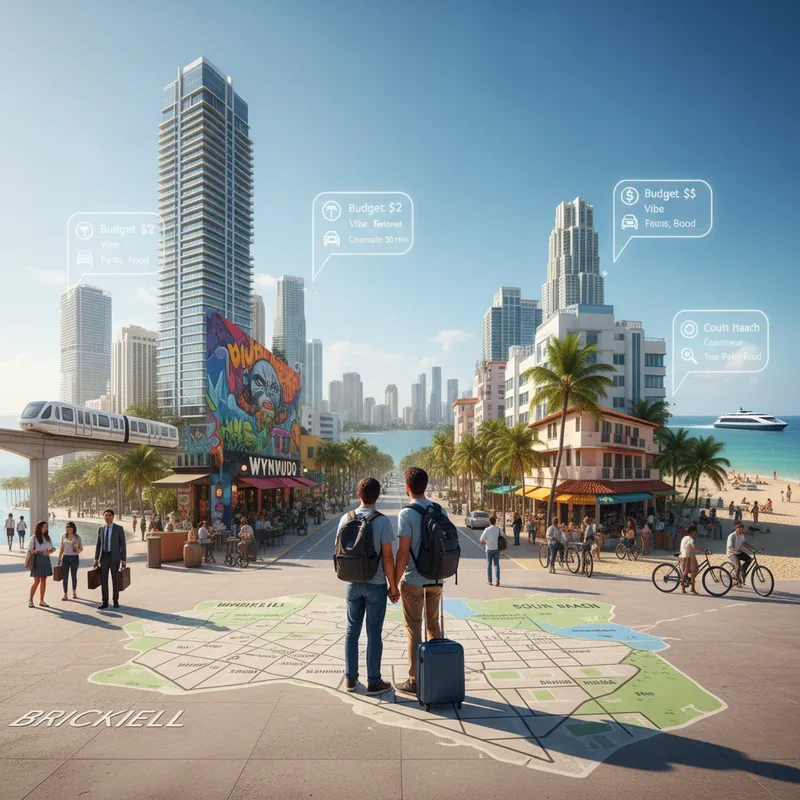
Start with your commute map. In Miami, a “short distance” can still be a long trip during peak hours. If you work Downtown, Brickell, Wynwood, the Health District or Miami Beach, test-drive your commute at the time you would actually travel. If you can live near Metrorail (Brickell, Coconut Grove, Dadeland) or the Metromover loop (Downtown and Brickell), you can avoid some daily congestion.
Get realistic about monthly housing costs. Rent is just the start. In condo-heavy neighborhoods (Brickell, Downtown, Edgewater and much of Miami Beach), ask whether the unit includes parking, whether the building charges move-in fees, and what utilities are included. For homebuyers, factor HOA dues, insurance, and potential assessments.
Know the “Miami extras.” Most newcomers underestimate three line items: car insurance, parking, and flood-related insurance decisions. Before signing, check whether your parking spot is assigned, whether guest parking exists, and whether street parking rules will make you miserable.
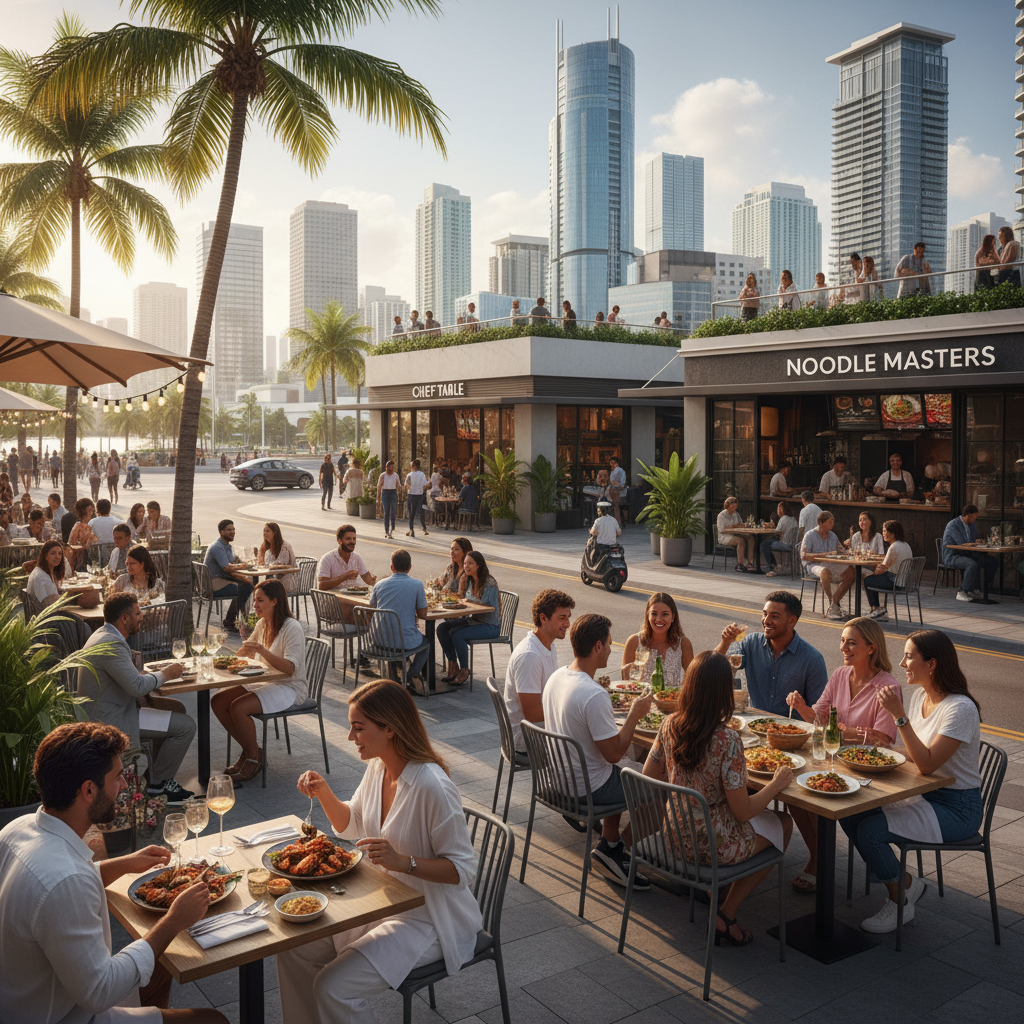
Match the vibe to your week, not your vacation. South Beach and Wynwood are incredible on a weekend, but living in the center of the action means noise, crowds and event traffic. If you want nightlife, choose a block that is walkable to bars but not directly above them.
Use data, but trust your feet. Ranking sites can help you compare, but you will learn more by spending an afternoon walking the grocery store route, checking lighting at night, and observing how families, cyclists and dog-walkers use the streets.
For a broader overview of what makes each area distinctive, the Greater Miami Convention & Visitors Bureau keeps an accessible neighborhood directory at miamiandbeaches.com.
Brickell: best for high-rise living and a walkable workweek
If you want to minimize commuting and maximize convenience, Brickell is the default choice for many new arrivals. The neighborhood is Miami’s financial district, with dense high-rises, late-night restaurants, gyms, and direct access to Metromover and Metrorail.
Housing snapshot: Expect modern condos and amenity buildings. Typical rent ranges are often highest in the urban core, especially for newer towers and water views. Budget extra for parking if it is not included.
What it feels like: Busy, polished, international, and increasingly residential. Construction is part of the soundscape. If you are sensitive to noise, tour units at different times of day.
Try it before you move: Walk Brickell City Centre (701 S Miami Ave, Miami, FL 33131) for the daily essentials test: coffee, groceries, a quick lunch, and errands in one loop.
Transit tip: Brickell is one of the easiest places in Miami to live car-light. Brickell Metrorail station and the free Metromover connect you to Downtown and parts of the urban core.
Miami’s core keeps changing upward, and the skyline boom is part of why Brickell stays in demand. For context on development pressures and new towers, see our coverage of Miami skyline transforms with wave of ‘supertall’ towers.
Downtown Miami: best for transit access, culture, and arenas
Downtown has become more livable as residential buildings filled in around Bayfront Park, the Metromover and Museum Park. It is still a true city center, with office towers, county and court buildings, and big event nights that can change traffic patterns.
Housing snapshot: Mostly condos and rental towers. Compare buildings carefully because amenities, noise insulation, parking and management quality vary widely.
What it feels like: Fast-paced and event-driven. If you want to walk to museums, festivals, basketball games and waterfront parks, Downtown delivers.
Practical detail: The Metromover is free and loops through Downtown and Brickell, which can reduce the need for rideshares for daily errands.
Tour route: Start at Bayfront Park (301 Biscayne Blvd, Miami, FL 33132), then take the Metromover to compare different stations and blocks in one afternoon.
Wynwood and the Design District: best for art, dining, and creative energy
Wynwood is still defined by murals, galleries and nightlife, but it has matured into a neighborhood where people live full-time in new apartments and condos. Nearby, the Miami Design District leans luxury retail and high-end dining.
Housing snapshot: Newer rentals, loft-style units and mid-rise condos, often with smaller floor plans than suburban neighborhoods. You will pay for walkability and new construction.
What it feels like: Trend-forward and social, with a constant rotation of openings and events. Some blocks get loud late, especially near bar clusters.
Try it before you move: Do a “weekday test” at Panther Coffee Wynwood (2390 NW 2nd Ave, Miami, FL 33127) in the morning, then come back after dark to gauge noise and parking.
Budget note: If you drive, price out monthly garage parking, and check your building’s guest parking rules.
Miami Beach (South Beach, Mid-Beach, North Beach): best for beach-first lifestyles
Miami Beach is not one neighborhood, it is a strip of micro-markets. South Beach is the postcard: Art Deco architecture, walkability and nightlife. Mid-Beach is more resort-oriented and quieter in many pockets. North Beach often appeals to residents who want the sand without South Beach’s daily intensity.
Housing snapshot: A mix of older Art Deco buildings, mid-century condos and luxury towers. Older buildings can mean charm, but ask about renovations, elevator reliability, and flood mitigation.
What it feels like: Beach-centric, tourist-facing and highly walkable. Traffic over the causeways can be a dealbreaker if you commute to the mainland daily.
Try it before you move: Spend one weekday morning working from a cafe, then do your errands on foot to see if the car-free lifestyle suits you.
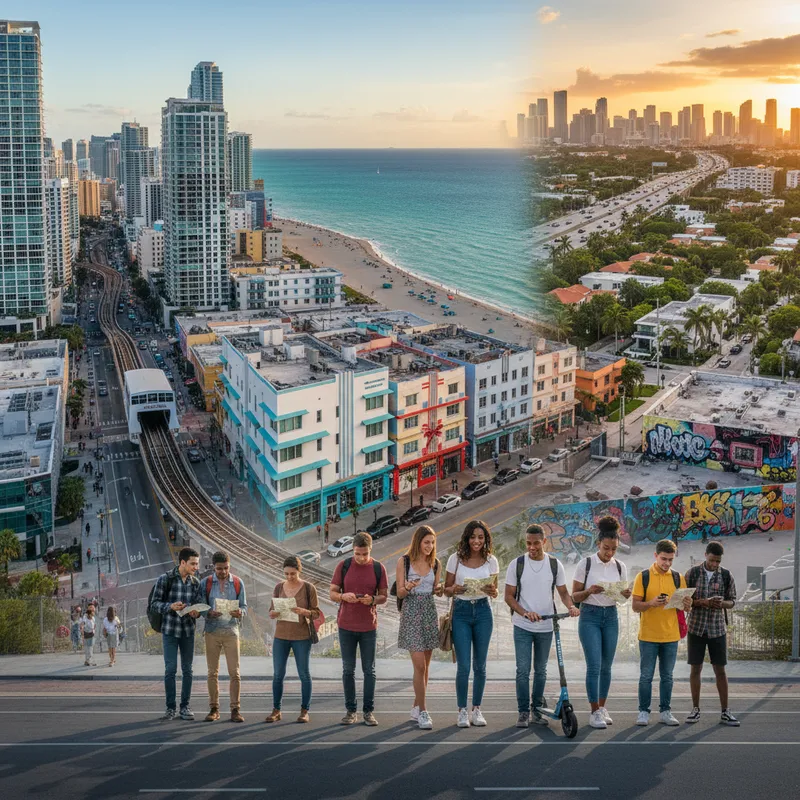
Practical detail: Parking is often the hidden cost. Ask your building about assigned spots and street permit rules.
Coconut Grove: best for greenery, marinas, and a village feel
Coconut Grove is one of Miami’s most distinct neighborhoods, a leafy, walkable pocket with parks, a marina, and a “small town in a big city” feel. It is popular with professionals and families who want outdoor space and a calmer pace without going fully suburban.
Housing snapshot: A blend of condos, townhomes and single-family homes. Prices can be high, especially near the water and the walkable core.
What it feels like: Active and outdoorsy. Many residents structure their days around parks, the waterfront and fitness studios.
Try it before you move: Walk from CocoWalk (3015 Grand Ave, Miami, FL 33133) to Peacock Park (2820 McFarlane Rd, Miami, FL 33133) and down toward the marina to see how “village” the Grove feels to you.
Transit tip: Coconut Grove has a Metrorail station, which can help if you work along the rail corridor.
Coral Gables: best for historic charm, schools, and tree-lined streets
Coral Gables, “The City Beautiful,” is known for Mediterranean Revival architecture, a polished downtown along Miracle Mile, and a quieter residential atmosphere. Many newcomers consider it when they want a more traditional neighborhood feel and are willing to trade some nightlife intensity for calmer streets.
Housing snapshot: More single-family homes and low-rise condos than the urban core, with higher prices in many pockets. Rentals exist but can be competitive, especially near downtown Gables.
What it feels like: Upscale and orderly, with strong restaurant options and a walkable commercial center.
Try it before you move: Spend an afternoon on Miracle Mile (E Miracle Mile, Coral Gables, FL 33134) and visit Venetian Pool (2701 De Soto Blvd, Coral Gables, FL 33134). Check seasonal hours and ticket prices before you go at coralgables.com/venetianpool.
Doral, Kendall and Pinecrest: best for suburban space and family logistics
If your priority is more square footage, easier parking and a school-and-sports schedule, the suburban side of Miami-Dade may fit best. Doral has a major employment base and dense townhouse and condo communities. Kendall offers a huge inventory of rentals and shopping corridors. Pinecrest is known for parks and highly rated schools, but it is often priced accordingly.
Housing snapshot: More townhomes, garden-style apartments and single-family homes than the urban core. You may get more space for the money, but expect to drive more.
What it feels like: Errand-friendly and residential. Traffic on the main arteries can be heavy, so pick a home close to the places you use weekly.
Try it before you move: For Pinecrest, visit Pinecrest Gardens (11000 Red Rd, Pinecrest, FL 33156) to see the park culture. For Doral, drive the commute around NW 36th St and the Turnpike during rush hour.
Little Havana and Little Haiti: best for culture, community, and central value
These culturally rich neighborhoods draw newcomers who want central access, real neighborhood energy and often, more attainable rents than the waterfront and high-rise districts. Little Havana is anchored by Calle Ocho, with cafes, music and long-standing Cuban institutions. Little Haiti has deep Caribbean roots and an evolving mix of local businesses and new development pressure.
Housing snapshot: More small apartment buildings, duplexes and single-family homes. Inventory can be uneven block to block, so tour carefully.
What it feels like: Lived-in, local, and community-focused. You will hear Spanish and Haitian Creole daily, and you will find some of the city’s best casual food.
Try it before you move: Spend a morning on SW 8th St (Calle Ocho) around Domino Park (Maximo Gomez Park, 801 SW 15th Ave, Miami, FL 33135), then come back at night to gauge noise and parking.
What newcomers in 2026 should know about housing, transit, and infrastructure
Housing supply is in flux. New projects, rezonings and infill developments can change a neighborhood’s feel quickly. Miami-Dade’s pipeline includes major proposals that can add homes and shift traffic and school demand, such as the county vote covered in Miami-Dade Commission approves 524 homes on former Calusa golf, and other areas considering growth, like Moving to Drew County, AR? Your 2026 relocation and neighborhood guide.
Sales activity has been closely watched. If you are buying, follow local indicators and ask your agent for neighborhood-level comps, not just metro headlines. Our latest snapshot: Miami-Dade home sales climb for seventh straight month.
Budget for infrastructure disruption. Miami is investing in roads, drainage and public assets, and that work can affect your block. For one major example, read Miami mayor proposes $450 million bond to fix ‘critically deterior…’.
Use official resources for permits and services. For county services and relocation logistics, start with Miami-Dade County’s official site at miamidade.gov. For job listings with the county, see Miami-Dade government employment opportunities.
Cross-check school zones and enrollment rules. If schools matter, verify boundaries with Miami-Dade County Public Schools at dadeschools.net and tour in person. Do not rely solely on listing descriptions.
Neighborhood tours: a 2-day plan to narrow your shortlist
Day 1, urban core: Start in Downtown (Bayfront Park), ride the Metromover through Brickell, then drive to Wynwood for an evening walk and dinner. Take notes on noise, parking, lighting and how comfortable you feel walking a few blocks off the main strips.
Day 2, “village and suburbs”: Do Coconut Grove in the morning, Coral Gables midday, and either Doral or Kendall in the late afternoon when commuter traffic builds. End with a grocery stop in each area to compare daily convenience and prices.
Tip: Book one short-term stay in the neighborhood you are leaning toward. A three-night trial can reveal problems that a 20-minute showing will not.
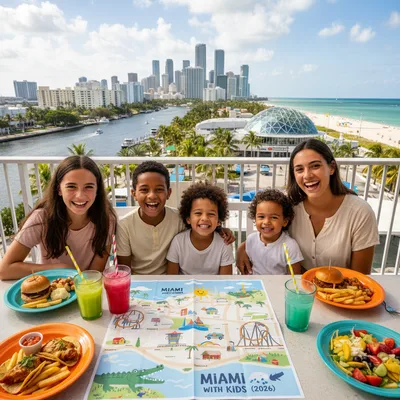
If you are also moving with children, our sister guide can help you compare family-friendly logistics and attractions: The ultimate guide to Miami with kids (2026): attractions, activities & family….
For a helpful comparison read on relocation decisions in another fast-growing coastal market, see Moving to Tauranga: a guide to the best suburbs in 2026.