Nearly 100 Miami-Dade County middle school students gathered in the Betty T. Ferguson Auditorium on March 18, not for a typical science fair, but for a high-energy pitch event. With a live DJ providing the soundtrack, eight finalist teams presented their innovative solutions to some of the most pressing environmental problems in their own neighborhoods before a panel of judges and a crowd of cheering peers.
The event was the inaugural Miami finale of the Green Heart STEM Challenge, a national program created by the Captain Planet Foundation. It tasks students in grades six through nine with identifying environmental issues in their communities, researching them, and designing practical, well-thought-out solutions. The challenge distinguishes itself by going a step further than most competitions. Winning teams are paired with professional mentors and can receive grants of up to $1,000 to turn their ideas into reality.
“Funding student ideas so they can take action is one of the elements that make the Green Heart STEM Challenge stand apart from other STEM opportunities,” said Lauren Stone, Special Projects Manager at the Captain Planet Foundation.
A new model for STEM education
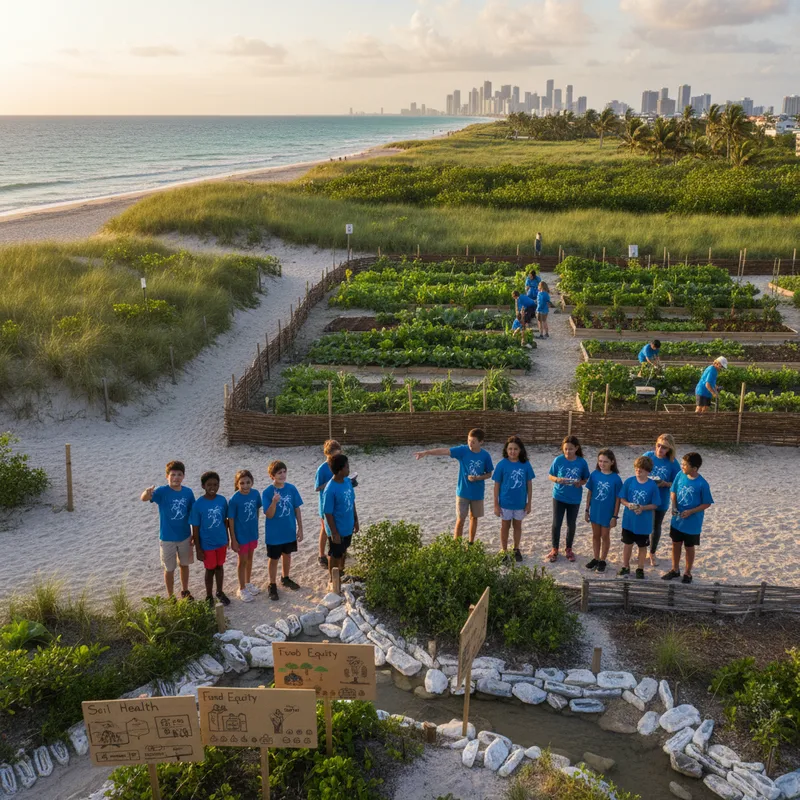
The 2026 challenge theme was EARTH, prompting students to investigate issues like food waste, soil health, and the health of South Florida's vital tree canopy and mangrove forests. The program operates on a rotating four-year cycle of themes which also include WIND, FIRE, and WATER, ensuring that students who participate over several years can explore different environmental systems.
This year’s cohort is the foundation's largest to date, with several thousand students participating from schools across multiple states. Miami is a first-year market for the in-person event, and after registration closed last December, hundreds of local students had signed up to compete. The program's learning platform was even developed with input from a previous challenge winner from Atlanta, ensuring the curriculum resonates with the students it serves. The initiative arrives in a community with a growing focus on specialized environmental and science education. For instance, West Miami Middle School's M.E.T. (Marine/Environmental Science/Technology) Magnet offers an accelerated curriculum in environmental science. The program, the only one of its kind in the county, partners with organizations like Fairchild Tropical Botanic Garden and Biscayne National Park, allowing students to engage in hands-on conservation work. Students at the school maintain critically imperiled Pine Rockland habitats on campus, a project recognized by Zoo Miami and Florida International University. This local educational infrastructure provides a fertile ground for programs like the Green Heart STEM Challenge to flourish, connecting classroom learning with tangible, community-based action, much like the recent protests at Berklee College of Music over AI songwriting.
Student projects tackle Miami's unique challenges
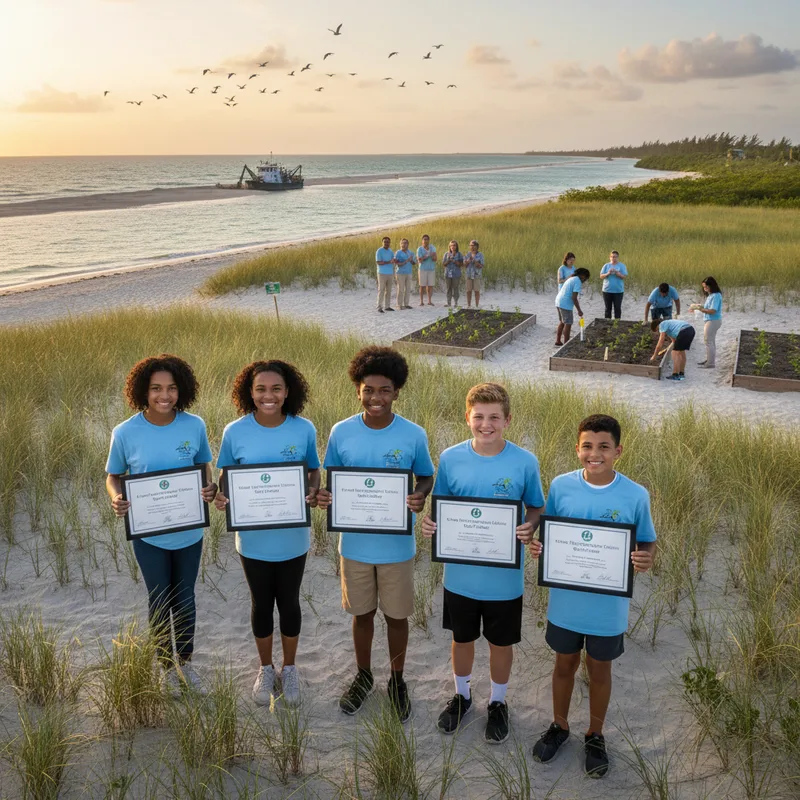
The finalist projects reflected the specific environmental pressures that students observed in their daily lives. The top proposals addressed issues of food access, soil degradation, and the relentless problem of beach erosion.
First place was awarded to The Countertop Cultivators from Homestead Middle School. Their project targets food insecurity in what they termed a “food swamp,” an area where highly processed, unhealthy foods are far more accessible and affordable than fresh produce. The irony of this issue is stark in Homestead, one of the nation’s most significant agricultural regions. The students' solution is to create “Micro-Harvest Kits” by upcycling two-liter plastic bottles into self-watering planters for families to grow nutrient-dense crops like lettuce, spinach, and herbs right on their kitchen counters.
The Smart Cookies from North County K-8 Center earned second place for their plan to address compacted soil and erosion. They noticed that green spaces at their school were being damaged by students cutting across them instead of using designated walkways. Their solution is twofold: construct a new concrete shortcut path to direct foot traffic and install raised garden beds for both flowering and edible plants. The team also plans to launch a peer education campaign to explain the importance of soil health.
Third place went to The Sand Savers, who focused on the slow but costly crisis of beach erosion along South Florida's coastline. Their research highlighted that erosion can strip more than five meters of sand per year in some areas, costing local municipalities over $500 million annually in remediation efforts. The team proposed an educational campaign on the effectiveness of groins and jetties to preserve sand, coupled with plans to organize volunteer installation events and lobby their Town Council for more funding.
From idea to implementation
For the winning teams, the competition was just the beginning. They will now advance to the program’s Idea Incubator, a series of workshops where they will be mentored by industry professionals who volunteer as project managers. Students from past challenges have described the incubator as the moment their projects began to feel tangible.
After refining their proposals and budgets with their mentors, the teams can submit their final implementation plans to become eligible for the grants. This funding will allow them to carry out their projects over the next three to six months, transforming their research and passion into measurable local impact.
The Captain Planet Foundation, which celebrates its 35th anniversary this year, launched the Green Heart STEM Challenge in 2022. Since then, it has expanded from its home base in Atlanta to Houston and now Miami, with a virtual option for schools nationwide. Leesa Carter-Jones, the foundation’s President and CEO, said the program’s focus on hyperlocal issues is the key to its success in engaging a wide range of students.
We’re not trying to save the polar bear from Miami. What can you do in Miami that’s going to make a difference for you and your peers and your family and your community every single day for the foreseeable future? That’s what attracts students. and it attracts a really beautiful, diverse crowd.
For the students who gathered at the auditorium last month, the event ended with trophies, medals, and the promise of something more. With mentorship and funding now within reach, their projects are no longer just ideas, but the blueprints for a greener community, built by its youngest residents.